What to Expect During the Restoration Process
People searching for storm restoration are typically looking to repair damage caused by storms, and local service providers can handle assessments, repairs, and cleanup to restore your property.
Understanding what to expect during the restoration process can help property owners feel more prepared and confident when facing storm damage. This journey often involves several key stages, from initial assessment and planning to cleanup and repairs. Local contractors experienced in storm restoration are well-equipped to guide homeowners through each step, ensuring the process is as smooth as possible. Exploring this topic is especially practical for those who want to minimize surprises and understand the scope of work involved in restoring a damaged property.
For property owners in the area, knowing what to expect during the restoration process can also assist in making informed decisions about repairs and improvements. Local service providers have a deep familiarity with the common challenges faced after storms and can provide valuable insights into what the process entails. Continuing to read can help clarify questions about what happens during restoration, how different stages are handled, and how local experts can support property recovery every step of the way.
- Storm damage repairs - when severe weather causes roof, siding, or window damage, local contractors assess the extent of the harm and begin necessary repairs to restore safety and functionality.
- Water damage restoration - after flooding or leaks, local service providers evaluate affected areas, extract water, and dry out structures as part of the normal restoration process.
- Insurance claim assistance - individuals filing claims for storm-related damage can expect local pros to document damage and coordinate with insurance companies to facilitate the process.
- Structural repairs - in cases of compromised foundations or framing, local contractors perform assessments and repairs to ensure the stability of the building during the restoration.
- Debris removal services - following storms, local pros clear away fallen branches, debris, and other hazards to prepare the property for further restoration work.
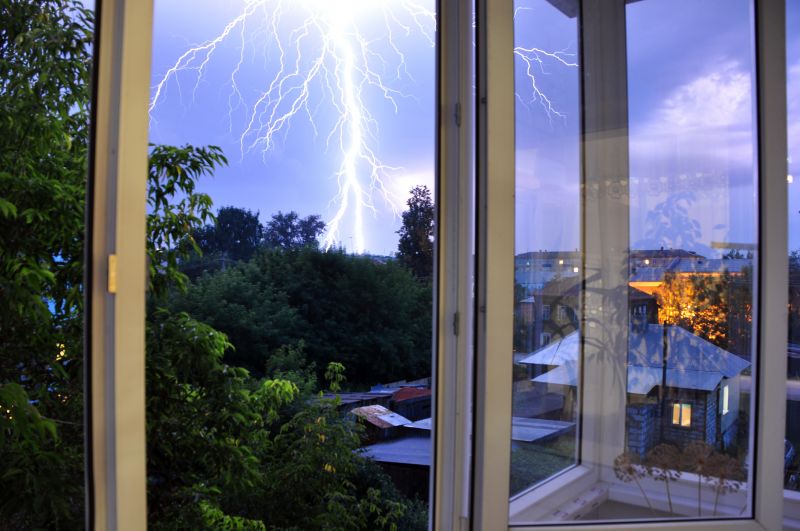
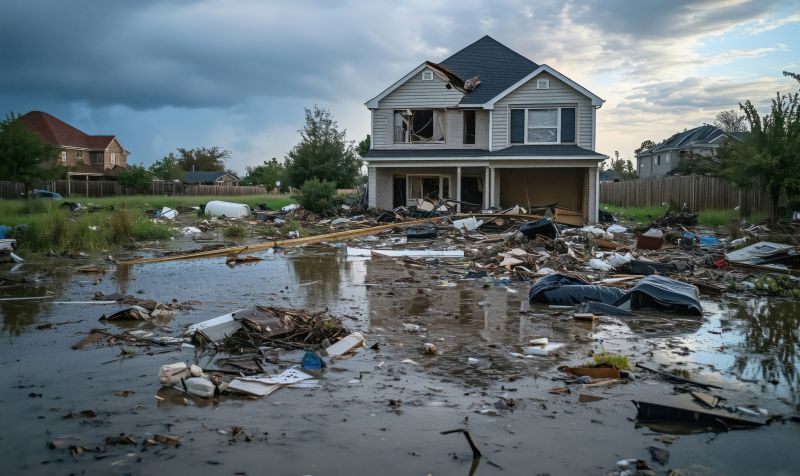
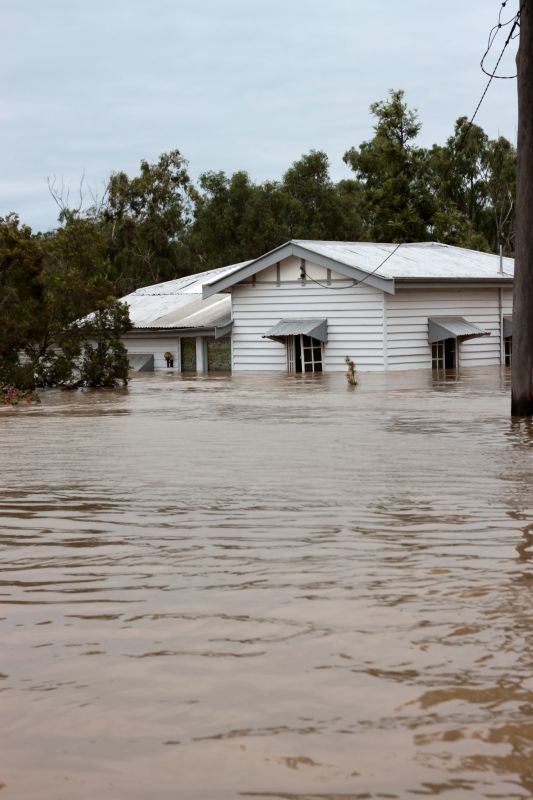
Understanding what to expect during the restoration process is an important step for homeowners facing property damage caused by storms or severe weather. When searching for this topic, many are looking for a clear overview of how restoration projects unfold, including the typical stages involved and what responsibilities fall on homeowners versus service providers. This knowledge helps homeowners prepare for the work ahead, understand the scope of repairs, and make informed decisions about hiring local contractors who specialize in storm restoration. The process usually begins with an assessment of the damage, followed by planning and securing necessary permits, and then proceeding through repairs or replacements of damaged structures and materials.
The types of problems addressed during the restoration process often relate to storm-related damage such as roof leaks, fallen trees, floodwaters, or wind-damaged siding. Homeowners may be dealing with structural issues, water intrusion, mold growth, or compromised roofing systems. Restoration plans are tailored to the specific damage, aiming to restore the property to its pre-storm condition. Local service providers typically evaluate the extent of damage, develop a repair plan, and coordinate the necessary work to ensure the property is safe and secure. Understanding these connections helps homeowners see how the restoration process is a structured effort to repair and protect their homes from further issues.
Properties that commonly require storm restoration services include single-family homes, multi-family residences, and commercial buildings located in areas prone to severe weather. Residential properties often face roof damage, siding issues, or water intrusion, while larger buildings may need more extensive repairs to structural elements or exterior facades. Regardless of property type, the restoration process involves addressing both visible damage and underlying issues that could compromise safety or stability. Local contractors experienced in storm restoration are equipped to handle these varied property types, ensuring that repairs meet the specific needs of each project and property.
Throughout the restoration process, homeowners can expect a series of practical steps designed to stabilize and repair their property. This includes initial damage assessment, securing the site, debris removal, and repairing or replacing damaged materials. Service providers work to minimize further damage and restore the property’s integrity, often involving multiple phases of work. Homeowners should be prepared for some disruption as repairs take place but can generally rely on local pros to manage the process efficiently. Knowing what to expect during the restoration process helps homeowners stay informed and confident as their property is returned to a safe, functional condition after storm damage.
Water Damage Restoration - this type of project involves assessing and repairing water intrusion, which shares skills in moisture detection, drying techniques, and material assessment with storm restoration services.
Roof Repair and Replacement - repairing or replacing damaged roofing requires planning, structural assessment, and the use of specialized tools similar to those used during storm damage restoration.
Mold Remediation - identifying and removing mold involves moisture control and cleanup procedures that are often part of the storm restoration process to ensure property safety.
Structural Drying Services - these projects focus on removing excess moisture from building structures, paralleling the drying phases in storm damage recovery.
Siding Repair and Replacement - restoring damaged siding involves planning and material handling skills that are also essential during storm-related exterior repairs.
Emergency Board-Up Services - securing properties after storm damage requires quick assessment and protective measures similar to initial restoration steps to prevent further harm.
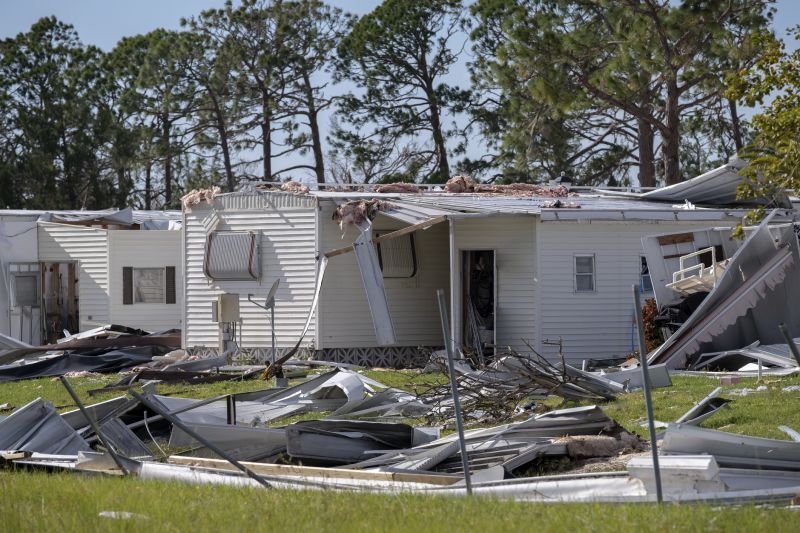
When evaluating storm restoration service providers, it is important to consider their experience with projects similar to your needs. Homeowners should look for local contractors who have a proven track record of handling storm-related damage and restoration work comparable to their situation. An experienced service provider will be familiar with the typical challenges that arise during the restoration process and can offer insights into what to expect, helping to set realistic expectations from the outset.
Clear written expectations are essential when choosing a local contractor for storm restoration. Reputable service providers should be able to provide detailed descriptions of the scope of work, the steps involved in the restoration process, and the materials or methods they plan to use. Having this information in writing helps ensure transparency and allows homeowners to understand what services will be provided, reducing confusion or misunderstandings as the project progresses.
Good communication and reputable references are key indicators of a reliable service provider. Homeowners should seek out local contractors who are known for maintaining open lines of communication, promptly addressing questions or concerns, and providing updates throughout the project. Additionally, asking for references or reviews from previous clients can offer valuable insight into the quality of work and the overall experience with the contractor. This information can help homeowners feel confident in their choice and better understand what to expect during the restoration process.
Property owners often search for what to expect during the restoration process when they are planning practical projects around their homes and businesses. Local pros provide Storm Restoration services for everyday jobs and straightforward project options.
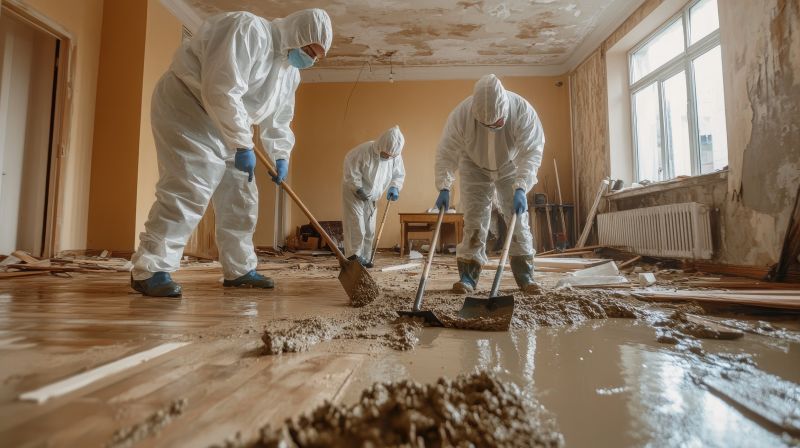
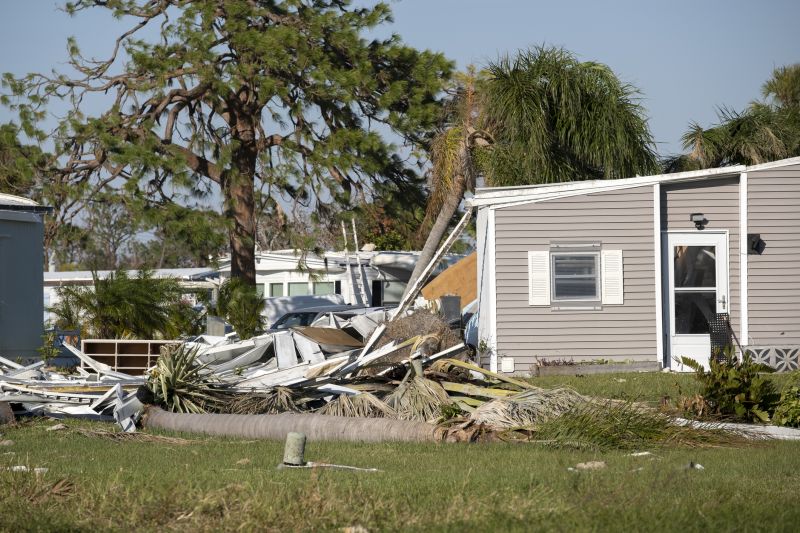
During the storm restoration process, property owners can typically expect a series of coordinated steps to address the damage caused by severe weather. Once a team of local contractors arrives, they usually begin with an initial assessment to determine the extent of the damage and prioritize repairs. This often involves inspecting the roof, siding, windows, and other vulnerable areas, and then working through a plan to restore the property efficiently. Throughout this process, property owners might see temporary measures like tarping or boarding up openings to protect the home from further weather-related issues, which is a common part of the initial stages.
As the restoration continues, local service providers usually focus on repairing or replacing damaged structures, which can include replacing shingles, fixing leaks, or restoring interior areas affected by water intrusion. Property owners should expect some disruption during this period, such as debris removal or construction activity, but these are standard steps to ensure the property is fully restored. Connecting with experienced local contractors can help property owners navigate these stages smoothly, ensuring repairs are handled professionally and in line with the damage sustained during the storm.
What should I expect during the restoration process after a storm? During storm restoration, local contractors typically assess the damage, secure the property, and begin repairs or replacements as needed. They aim to restore your home to its pre-storm condition efficiently and thoroughly.
How do local service providers handle damage assessment? Local pros conduct a detailed inspection of the affected areas, identifying structural issues, water intrusion, and other damages to develop a comprehensive restoration plan.
What steps are involved once restoration work begins? After assessment, local contractors usually start with debris removal, temporary protection, and then proceed with repairs such as roofing, siding, or interior fixes based on the damage scope.
Will I need to be involved during the restoration process? While the process is underway, homeowners are generally advised to stay informed and communicate any concerns, but most restoration work is handled directly by local service providers.
What is the typical scope of work during storm restoration? The scope often includes damage assessment, debris cleanup, structural repairs, water mitigation, and restoring the property to its original condition, all managed by local contractors experienced in storm restoration.
Assessment and Inspection - Local contractors will evaluate the extent of storm damage to determine necessary restoration steps, helping property owners understand what repairs are needed.
Damage Repair and Restoration - Service providers will perform repairs such as roof fixes or siding replacement, guiding property owners through the process of restoring their property’s exterior.
Water Damage Management - Pros can address water intrusion issues by removing standing water and drying affected areas, helping property owners prepare for further restoration work.
Final Cleanup and Inspection - Local contractors will clean up debris and inspect completed work, ensuring property owners know what to expect as the restoration wraps up.
If you are thinking about what to expect during the restoration process for a property, this guide is meant to help you understand this topic, the typical project types, and how different options might fit your plans.
When you are ready, you can use the quote form on this page to share a few details about your project. From there, local pros can review the basics and follow up with options that match what you have in mind.